











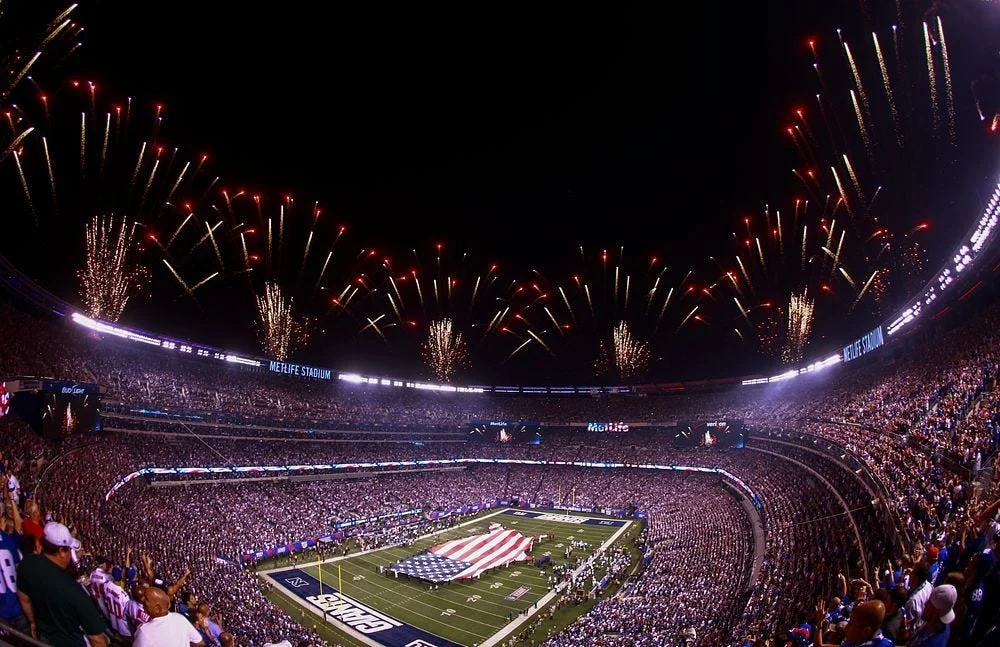
When Bad Bunny walked onto the stage before the Super Bowl halftime show in the United States, Levi’s Stadium this month, he aimed to deliver more than a performance: he staged a cultural and political statement before one of the largest television audiences of the year in all of the Americas.
Performing in a crammed NFL stadium and broadcast worldwide, the Puerto Rican superstar blended Spanish-language hits with pointed visual symbolism on sets. He took music, choreography, and staging a story to spotlight Latinx identity and Puerto Rico’s political status. In doing so, he purported a 13-minute pop spectacle into a commentary for and on representation, power, and belonging in America.
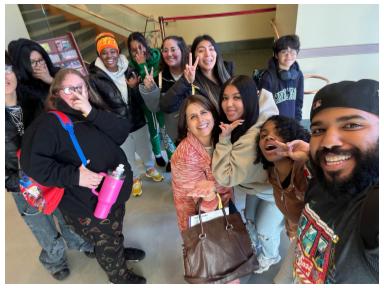
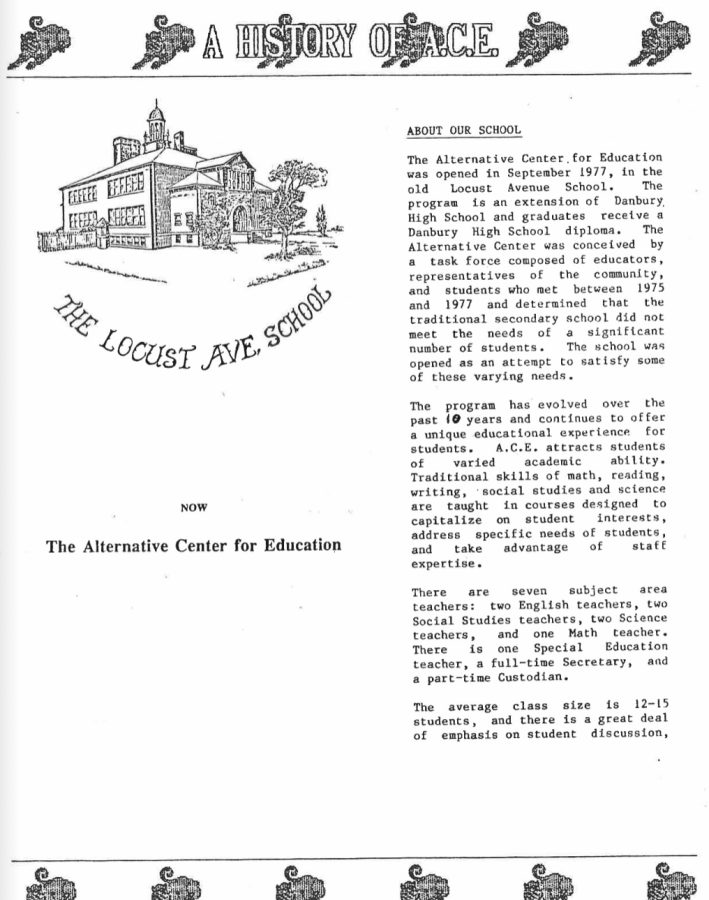
The performance matters as of now because discussions over immigration, statehood, and Latinx political influence are escalating across the United States. By centering Spanish dialect, Caribbean imagery, and subtle references to Puerto Rico’s colonial relations with the U.S., Bad Bunny inserted those issues into mainstream discourse. As usual, audiences thought of the performance as a standpoint in American culture, one student from the Alternative Center for Excellence, Hayden, said that ”–it represents a lot of the stuff going on right now.” The Super Bowl stage, as it has long been considered a barometer of American culture, came to be expanded, a message to millions who may not otherwise engage with it. In a polarized, or rather reactionary political climate, the halftime show became a manifestation of shifting demographics and cultural power.
Bad Bunny disregarded the notion that crossover performers need to translate their songs for English-speaking audiences by performing mostly in Spanish throughout the concert. Without using words, visual backdrops that signify Puerto Rican flags and island scenery were said to reinforce national pride. Real-time social media reactions showed the nation’s cultural division, with fans applauding the visibility and detractors questioning the politicization of a sporting event, as an anonymous student from the Alternative Center for Excellence in Danbury stated, “It wasn’t for everyone, it must have been for a targeted group(audience).” He illustrated how entertainment can serve as soft authority in the larger struggle for influence and identity in the United States by combining distinctive Latinx iconography with worldwide pop knowledge.